Twelve-Thirty and Completely Alive: Inside the Stubborn Survival of the Midnight Movie
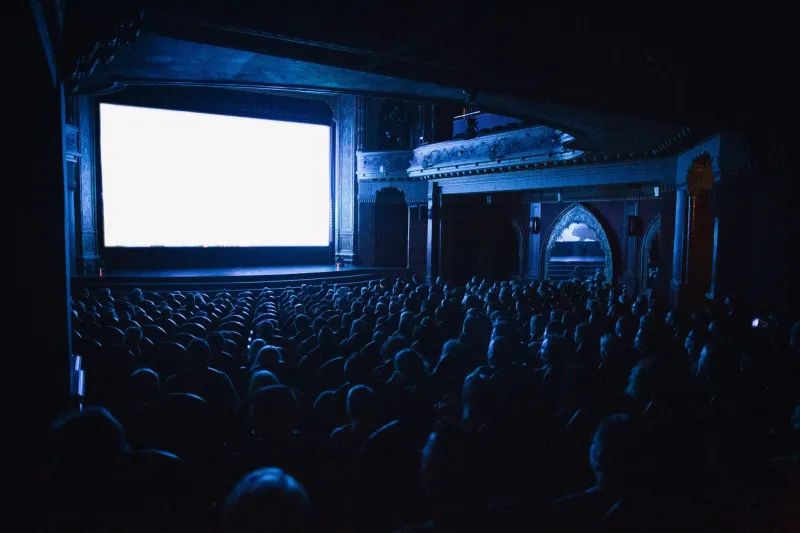
There's a specific kind of silence that happens in a movie theater at 12:15 AM. The lobby lights are dimmed, the teenager working concessions has stopped pretending to wipe the counter, and the handful of people shuffling toward screen three aren't casual moviegoers. They're members of something. Call it a congregation, call it a cult, call it what it actually is: the last remaining ritual in American filmgoing that streaming has never managed to replicate.
The Economics of Staying Open
Let's be honest about the math first, because the midnight screening shouldn't work. A theater that closes at midnight saves on staffing, electricity, and the general wear of human traffic. Keep the doors open until 2:30 AM and you're running a full second shift for a fraction of the audience.
Which is why the theaters that do it treat midnight shows differently than regular programming. Independent houses like the New Beverly in Los Angeles, the Alamo Drafthouse locations that still program late-night repertory, and countless small-town single-screens have figured out the workaround: midnight showings are often staffed lean, priced low, and booked as flat-rate deals with distributors or local film societies. The ticket revenue isn't really the point. What the midnight show buys a theater is identity — the reputation that keeps people coming back at 7 PM the rest of the week.
Some owners describe it as a loss leader for loyalty. Others just say they like staying up late. Either way, the numbers only work because the people who show up aren't buying a ticket. They're buying a membership.
The Shadow Cast Phenomenon
No conversation about midnight movies survives without mentioning The Rocky Horror Picture Show, which has played weekend midnights continuously since the mid-1970s — the longest-running theatrical release in history. But the movie itself is almost beside the point. What keeps it alive are the shadow casts: local troupes who perform the film in costume, in sync, in front of the screen while the audience shouts the callback lines they've memorized like scripture.
Ask anyone in a shadow cast why they do it and you'll get the same answer in different words. It's not the movie. It's the room. A first-timer dragged along on a Friday night gets pulled into a call-and-response tradition that's been running longer than they've been alive, complete with props, rituals, and a welcome that's genuinely hard to find anywhere else after midnight.
That model has spread. The Room screenings became a participatory sport. Showgirls found its second life at midnight. Even newer cult titles — the weirder the better — get booked late specifically because programmers know a strange film plus a strange hour plus a crowd equals something no home theater can simulate.
Why Streaming Can't Touch It
Here's the thing the algorithms never figured out: the midnight movie was never about convenience. It's about consent. Everyone in that theater chose to be there at an inconvenient hour for something odd. That shared act of choosing creates an instant, temporary community — you can't replicate it with a watch party and a group chat.
Sociologists have a term for the way strangers bond over synchronized experience, and theaters have quietly understood it for fifty years. Laughing at the same absurd scene at 1 AM with ninety people you'll never see again is a different physiological event than laughing alone on your couch. The screen is the same size it always was. The room is not.
Where to Find One Near You
The good news is you probably live closer to a midnight screening than you think. College towns almost always have one theater that keeps a late slot open — check the indie and second-run houses, not the multiplexes. Repertory cinemas in bigger cities program monthly late-night series, often themed around horror, cult classics, or so-bad-it's-good deep cuts. And if your town has a film society, ask what they run after midnight; the answer is usually weirder and better than anything on your streaming queue.
A few tips from the regulars: buy tickets ahead, because these shows are small and they do sell out. Learn the callback lines before you go if you're attending a participatory screening — the crowd will teach you, but they'll also notice. And once you've been two or three times, stop being surprised when you recognize faces. That's not a coincidence. That's the whole point.
The midnight movie survived home video, cable, DVD, and streaming not because the films are special, but because the hour is. Some things only work at 12:30 AM, in the dark, with a room full of people who all decided the same strange thing was worth staying up for.