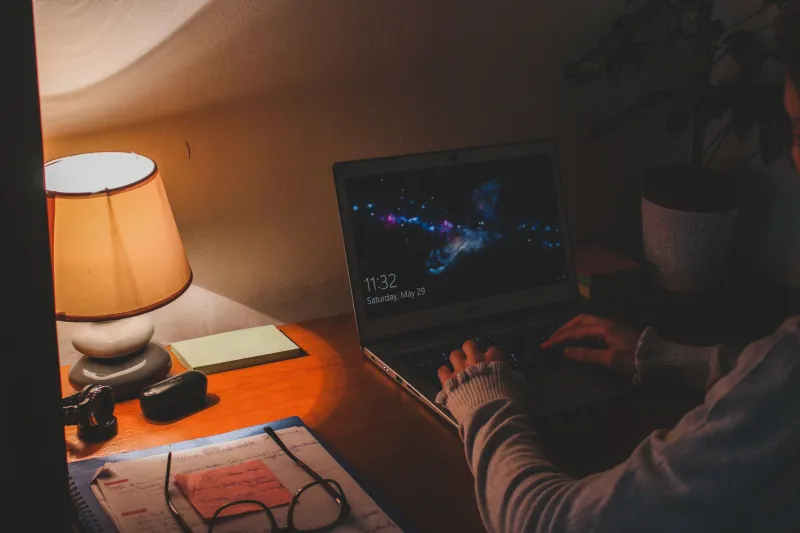
Night School: The Unexpected Mentors Who Only Show Up After Dark

There's a particular kind of advice you only get from someone who's been awake when the rest of the world checked out. It's not polished. It doesn't come with a slide deck. But it tends to stick in a way that Tuesday afternoon career coaching sessions just don't.
Across the country, a quiet mentorship revolution is happening in diners, radio booths, 24-hour gyms, and hospital break rooms. Night owls — people who've built careers and lives around the hours most people sleep through — are becoming unlikely guides for the growing population of Americans who work, hustle, and exist after dark.
The Wisdom That Only Comes Out at Night
There's something about 2 AM that strips away the performance. The people who thrive in those hours didn't get there by accident — they got there because they figured something out. And when you're both awake at an hour that feels like the rest of civilization has abandoned you, the conversation tends to skip the small talk entirely.
Marcus, a 24-hour gym trainer in Atlanta who works the 10 PM to 6 AM shift, has become something of an unofficial life coach to the nurses, rideshare drivers, and night-shift warehouse workers who make up his client base. "These people don't want motivation quotes," he says. "They want someone who actually gets what it's like to feel invisible during regular hours. We talk about careers, relationships, burnout — all of it. The weights are almost secondary."
That depth of connection isn't a coincidence. Research in social psychology consistently shows that low-stimulation, late-night environments lower social defenses. People disclose more. They ask the questions they've been sitting on for months. And the person on the other side of that conversation — if they've spent years navigating the after-hours world — often has answers that feel genuinely earned.
Late-Night Radio's Quiet Legacy
Before podcasts, before streaming, before the algorithm decided what you needed to hear, there was late-night radio. And the hosts who populated those overnight slots developed a particular kind of intimacy with their listeners that daytime personalities rarely achieved.
That tradition hasn't disappeared — it's evolved. Independent podcast hosts, Twitch streamers who go live at midnight, and community radio DJs running overnight slots are filling the same role: a voice in the dark that feels like it's talking directly to you. Many of their listeners — especially those working overnight or dealing with insomnia — describe these personalities as genuine influences on how they think about their work, their ambitions, and their choices.
"I've had listeners reach out to tell me a conversation I had on air at 1 AM changed how they approached leaving a job they hated," says one overnight radio host in Chicago who asked to remain anonymous. "I'm not a therapist. I'm not a career counselor. But I'm awake when they are, and I'm honest in a way that maybe feels safer at that hour."
The Night Shift Network
In industries where night shifts are standard — healthcare, logistics, manufacturing, hospitality — informal mentorship networks have always existed. But something has shifted in recent years. The people who've spent the longest time mastering the overnight world are becoming more intentional about sharing what they know.
In hospital systems, experienced night-shift nurses are increasingly being tapped as peer mentors for newer staff, specifically because the overnight dynamic requires a different set of skills: self-sufficiency, calm under pressure, the ability to make judgment calls without a full support system on deck. The mentorship that happens at 3 AM in a hospital break room covers territory that no orientation manual touches.
The same dynamic plays out in restaurant kitchens, where late-night prep cooks and closing managers carry institutional knowledge that simply doesn't exist in the daytime version of the same workplace. Learning from them means learning how a business actually runs — not how it presents itself during peak hours.
Why Night Owl Mentors Hit Different
Here's the thing about someone who's mastered the night: they've already made peace with operating outside the mainstream schedule. That perspective — the ability to see value in what others dismiss — tends to translate directly into how they mentor.
They're less likely to push conventional timelines. They understand that building something real sometimes means doing it quietly, slowly, and without an audience. They've learned to measure progress differently because the standard metrics — the 8 AM meeting, the office visibility, the networking happy hour — were never available to them in the same way.
For night-shift workers trying to build something on the side, or insomniacs who've found unexpected productivity in their sleepless hours, that worldview is genuinely useful. It validates an approach that the traditional career advice industry has almost no language for.
Finding Your After-Dark Guide
So where do you actually find these people? The honest answer is: you're probably already near them.
The trainer at the 24-hour gym who knows every regular by name. The bartender who's been at the same spot for a decade and has watched a hundred people make the same mistakes. The overnight security guard at your office building who's read every book on the shelf and has opinions about all of them. The nurse who's been on nights for fifteen years and has a clarity about what matters that most people take a lifetime to develop.
These aren't formal mentors. They're not going to hand you a career development plan. But if you're awake when they are, and you're willing to actually talk instead of just scroll, the education you get might be the one that actually changes something.
The night has always been where the real conversations happen. Turns out, it's also where some of the best teachers clock in.