Last Call Historians: What the People Behind the Bar Actually Know About Your City
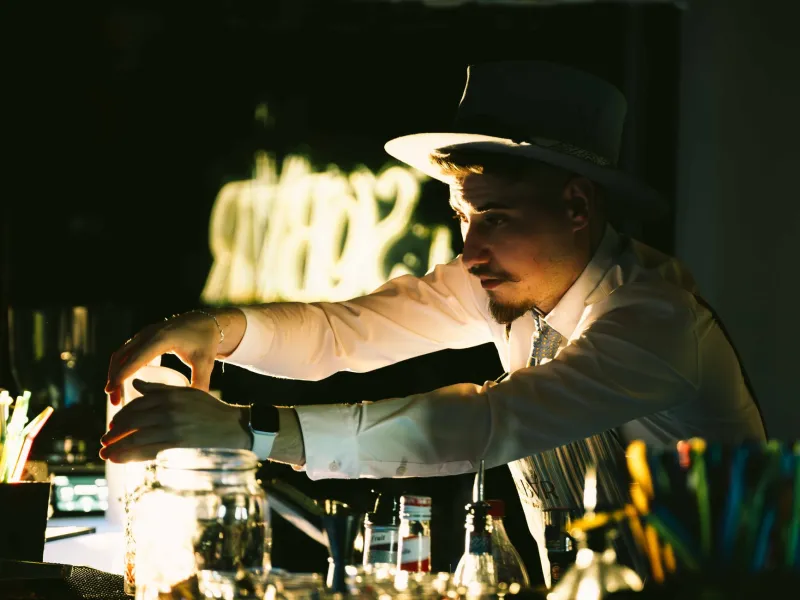
If you want to know what's actually happening in a city — not the press release version, not the curated neighborhood guide version — you talk to the people who were there when the filters came off. You talk to the bartenders.
They've watched relationships start and end at the same corner stool. They've clocked the moment a neighborhood started changing before any real estate listing reflected it. They've seen who people actually are at 1:30 AM, and that turns out to be a surprisingly complete picture.
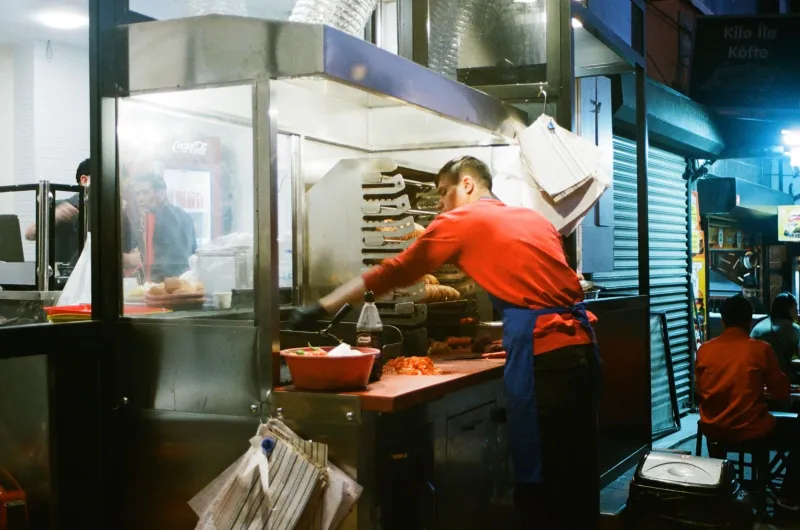
We spent time with bartenders, bouncers, and late-night venue staff across several US cities to understand what they actually carry — the observations, the patterns, the stories that never make it anywhere official but somehow capture something true about the places they work.
The View From Behind the Stick
Jamila has been bartending in New Orleans for eleven years, the last six at the same late-night spot in the Marigny. She doesn't have a journalism degree. She doesn't have a podcast. But she has something most journalists would trade a lot for: an unbroken decade of watching the same community cycle through her bar.
"I knew the pandemic was going to hit us differently before anyone was talking about it," she says, wiping down the bar with the kind of efficiency that comes from doing it ten thousand times. "My regulars — the musicians, the service workers — they started coming in scared weeks before the city shut down. I watched that fear move through the room like weather."
That kind of longitudinal observation — the ability to track a community across years, not news cycles — is what makes late-night venue workers genuinely unusual observers. They're not parachuting in for a story. They're there every shift, watching the same people age, succeed, fall apart, and sometimes put themselves back together.
What Bouncers Actually See
If bartenders are the chroniclers, bouncers are the pattern recognizers. Their job requires reading crowds, tracking behavioral shifts, and making fast calls about what's actually happening versus what looks like it's happening. Over time, that skill set produces a specific kind of social intelligence.
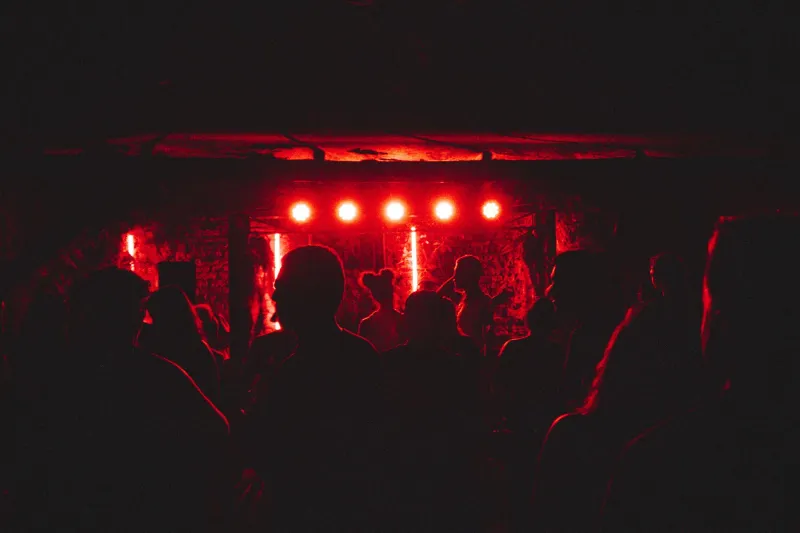
Derek, who's worked the door at a string of Chicago nightclubs over the past eight years, describes his job as "being a sociologist who also lifts things." He's not wrong. He's tracked the rise and fall of entire social scenes from his post at the entrance — watched which neighborhoods' residents started showing up, which acts brought which crowds, how the energy in a room could change based on factors that had nothing to do with the music.
"I can tell you when a neighborhood is gentrifying before Zillow can," he says, only half joking. "The demographic of who's coming through that door shifts before anything else does. Before the coffee shops, before the new condos — I see it first."
The Stories That Don't Leave the Room
There's an informal code in late-night hospitality. What happens at the bar stays at the bar. The discretion that makes a bartender good at their job also means that a lot of what they witness never surfaces anywhere. It's not gossip — it's something closer to a professional confidence.
But within that code, there's a generosity that's easy to miss. Bartenders and venue staff become unofficial social workers, crisis counselors, and community connectors — often without any recognition for it. They're the ones who quietly call a cab before it becomes a problem, who remember that the guy at the end of the bar mentioned his mom was sick last week and ask about it this week, who notice when a regular stops coming in and actually wonder why.
"I've connected people with jobs, with therapists, with lawyers — people who came in looking for a drink and ended up in a conversation that changed something," says Tony, a longtime bartender in Austin. "Nobody writes about that part. It's just part of the shift."
Trend Spotters in Dive Bar Clothing
The hospitality industry has started paying attention to something that the people who work in it have known forever: late-night venue staff see cultural shifts before anyone else does.
The drinks that start getting requested before they're on any menu. The music that certain crowds start asking for. The fashion that walks through the door on a Friday before it hits any trend report on Monday. Bartenders and club staff are, functionally, the earliest of early adopters — not because they're trying to be, but because their job puts them at the intersection of what people actually want right now.
Some brands have caught on. Spirits companies, music labels, and even fashion houses have quietly started cultivating relationships with late-night hospitality workers as a form of ground-level market research. The people behind the bar have always been ahead of the curve. It just took the industry a while to formalize that.
The Untold Archive
Here's what strikes you when you spend enough time talking to people who work the late-night floor: they're carrying an enormous amount of social history, and almost none of it is being preserved.
The bar that's been in the same spot for thirty years has had dozens of staff members cycle through it, each one accumulating years of observations about the neighborhood, the regulars, the city itself. When those people leave — retire, move on, burn out — that archive walks out with them. No oral history project captures it. No journalism assignment chases it down.
What's left is the official record, which is always incomplete, and the unofficial one, which lives in the memories of people who got paid twelve dollars an hour plus tips to hold it.
Next time you're at the bar and the night slows down, maybe skip the phone for a minute. Ask the person behind the stick what they've seen lately. You might be surprised what they've been holding onto.