Dark Hours, Bright Style: How Nocturnal Culture Took Over Fashion and Design
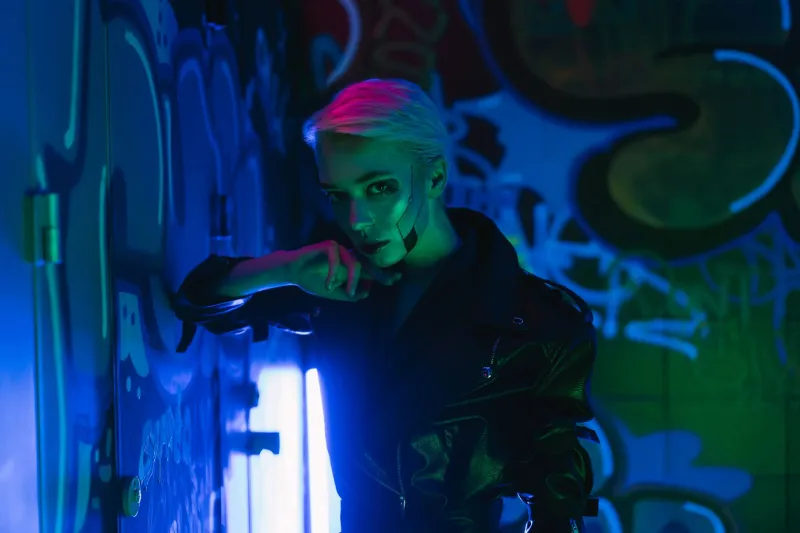
There's a specific kind of light that exists only after midnight. It's the orange-pink wash of a bodega sign bleeding onto wet pavement. It's the blue-white flicker of a phone screen in a dark room. It's neon against black, shadow against skin. For a long time, that light lived exclusively in the spaces where night owls gathered — the clubs, the late-night studios, the diners that never close. Now, somehow, it's everywhere.
Scroll through any major fashion brand's Instagram feed right now and you'll notice something: the sun has set. Deep charcoals, midnight blues, bruised purples, and the occasional electric accent color have replaced the airy, sunlit aesthetics that dominated a few years back. The "nocturnal cool" movement — if we're giving it a name — has gone from subculture signifier to full-blown mainstream trend. And if you've been a night owl your whole life, you can be forgiven for feeling a little smug about it.
Where the Aesthetic Actually Came From
Fashion has always borrowed from the margins. The looks that eventually end up on runways in New York and LA almost always trace back to communities that were never meant to be noticed by the mainstream — at least not yet.
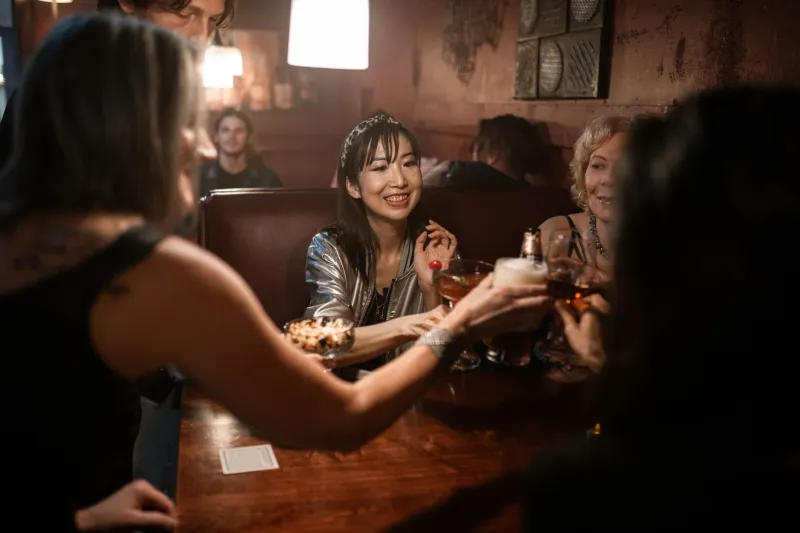
The nocturnal aesthetic has roots in multiple directions at once. There's the rave and club culture of the '90s and early 2000s, which gave us reflective fabrics, dark base tones, and that particular love affair with ultraviolet. There's the underground streetwear scene, where drops happened at midnight and the culture was deliberately built around staying up late, refreshing pages, waiting. There's the tattoo and body modification community, which has always leaned into darker visual language as a form of identity. And there's the general creative class — the musicians, artists, and writers who do their best work when everyone else is asleep and whose aesthetic sensibilities have slowly seeped into the broader culture.
What's changed recently is that social media gave all of these communities a megaphone. A photographer shooting moody, shadow-heavy portraits at 2 AM in Brooklyn can rack up a hundred thousand followers. A designer working out of their apartment at night, documenting their process in low-lit Instagram Stories, builds an audience that responds to the vibe as much as the product. The night became content, and content became culture.
What the Brands Are Doing With It
The fashion industry noticed. You can see it in the color stories that brands are pushing season after season — deep jewel tones, washed-out blacks, the occasional burst of acid green or electric blue that feels like a sign in the dark. You can see it in campaign photography that favors artificial light over natural, that shoots in parking garages and empty streets and places that feel like 3 AM even at noon.
Smaller independent labels have been especially good at this. Brands operating in the streetwear and contemporary fashion space have leaned hard into nocturnal imagery — limited drops announced late at night, packaging that references club stamps and wristbands, lookbooks that feel like you're flipping through someone's photo roll from a night out that ended at sunrise.
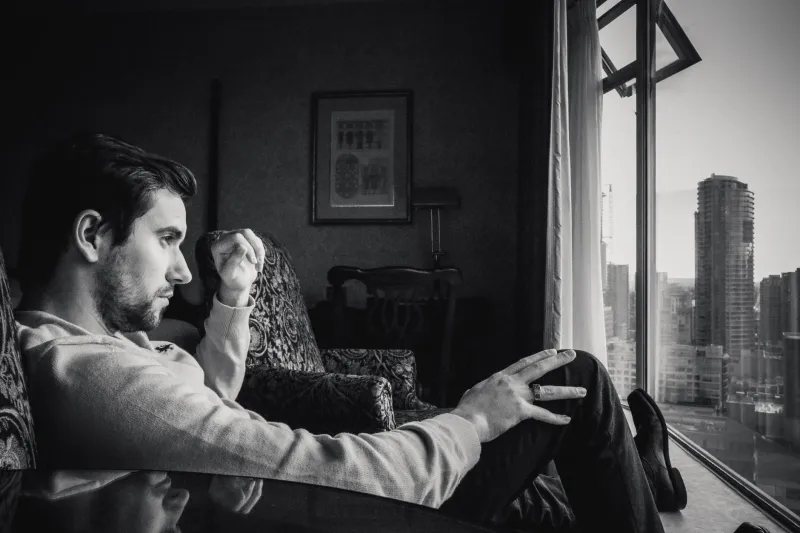
Interior design has gone the same direction. The maximalist, plant-heavy, lots-of-natural-light aesthetic that defined home decor for the better part of a decade is giving way to something moodier. Darker walls. Warmer, lower lighting. Velvet. Rooms that feel like they're meant to be lived in after dark rather than photographed in the afternoon. Designers are talking about "nocturnal interiors" as a legitimate concept — spaces that come alive at night, that prioritize atmosphere over brightness.
The Psychology Behind Why This Works
There's something real underneath the trend, which is probably why it's stuck around instead of cycling out like most aesthetics do.
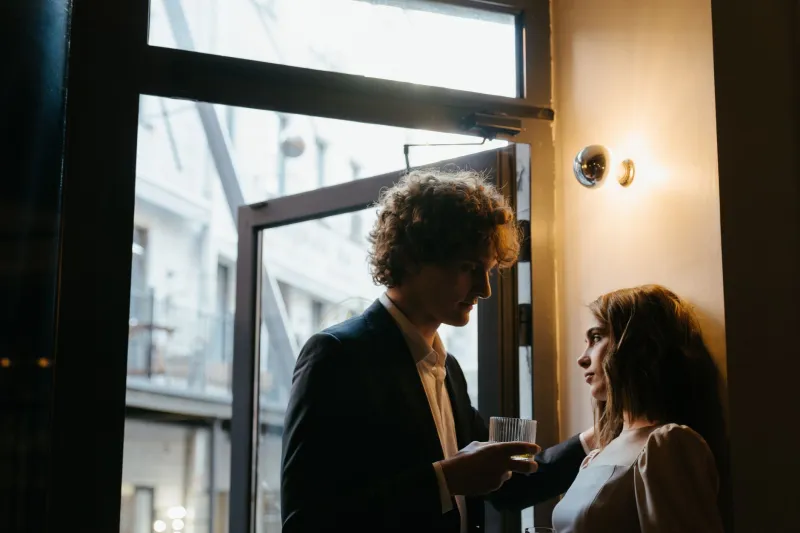
Night has always carried a certain emotional weight. Darkness lowers our defenses. It makes things feel more intimate, more honest, more charged. The visual language of night — shadow, contrast, the way artificial light isolates things against darkness — communicates something that flat, even, daylight simply can't. It suggests depth. It suggests that something interesting is happening just out of frame.
For a generation that grew up with an overwhelming amount of visual content competing for their attention, that sense of mystery is genuinely appealing. The nocturnal aesthetic earns attention by withholding a little. It makes you lean in.
How to Build Your Own Midnight-Inspired Wardrobe
You don't need to overhaul everything. The nocturnal aesthetic works best when it feels intentional rather than costumed. A few starting points:
Anchor with deep neutrals. Build your base around near-blacks, deep navies, forest greens, and rich burgundies. These are colors that work in almost any combination and immediately read as more sophisticated than straight black.
Use one accent. The neon-against-dark thing works because of contrast. Pick one color that functions as your electric accent — a cobalt, an acid yellow, a vivid teal — and use it sparingly. A single piece, a bag, a pair of shoes.
Think about texture. Night is tactile as much as it is visual. Velvet, leather, satin, anything with a sheen that catches light differently depending on the angle — these materials do something interesting in low light that cotton and linen simply don't.
Let the details be weird. Late-night culture has always had a taste for the slightly unexpected — a piece of jewelry that's a little too much, a graphic that references something obscure, a silhouette that's slightly off from what's expected. That's where the personality lives.
Don't try too hard. The thing about the people who actually originated this aesthetic — the club kids, the late-night creatives, the people who built their identities around the hours after midnight — is that they were never performing it. They were just dressing for the world they actually lived in. The best version of a nocturnal wardrobe feels like yours, not like a costume.
The Night Has Always Had Good Taste
Here's what the mainstream fashion world is just catching up to: night owls have been curating this aesthetic out of pure necessity for decades. When you live a significant portion of your life after dark, you develop a relationship with light, shadow, and atmosphere that people who go to bed at 10 PM simply don't have.
The midnight aesthetic isn't a trend that came from a mood board in a design studio. It came from real people, in real places, doing real things at hours when the rest of the world wasn't watching. The fact that the rest of the world is paying attention now? That's just the night getting its due.